
Osceola Court Docket Searches
Indiana’s current Administrative Rule 8 list has no Osceola entry. MyCase shows none either. So never pick an invented city court. Work from the citation, summons, notice, or email that started your search instead. A town code letter should name Osceola Code Enforcement. A state court paper carries a uniform case number starting with county code 71 for St. Joseph County.
- Read the issuer and number. Keep a town citation number separate from a state case or Uniform Traffic Ticket number.
- For permits, code letters, or town citations, contact Osceola Code Enforcement and ask for the town record and stated review route.
- For a number beginning 71C, 71D, or 71J, open Indiana MyCase and search the St. Joseph County court entry.
- For a citation that names Walkerton Town Court, use its separate 71I01 MyCase choice. Do not select it merely because Osceola and Walkerton share a county.
- Confirm a hearing with the court or clerk named on the newest notice before traveling.
When the online docket search misses a public item you expected, call the county Clerk at 574-235-9635 and read the full case number aloud. Ask which filing division holds it and whether counter access exists. The clerk’s own materials name no self-service terminal, so plan around a phone or counter request.
No Osceola MyCase Court Identifier
On MyCase, St. Joseph County appears for Circuit, Superior, and Probate records. A separate listing covers St. Joseph County - Walkerton Town Court. No Osceola municipal or town court appears anywhere on that menu. That gap reflects real jurisdiction, not a broken website. Osceola residents still land in public cases. Those cases sit with whatever court took the filing. Indiana’s uniform case numbers make the split easy to see. 71C01 marks Circuit Court, and codes 71D01 through 71D08 mark the Superior divisions. 71J01 marks Probate Court. Not one of them means Osceola. Search with the exact number. Do not type the town name as though it were a court filter.
Inside Osceola Code Enforcement
The official Osceola Code Enforcement page lists the office. It handles town code and zoning. The office sits at 850 Lincolnway West. Permits, inspection or compliance letters, and local-code citations all run through that office. Each is a town administrative record at the first stage. None is automatically a Chronological Case Summary inside Indiana’s Odyssey court system.
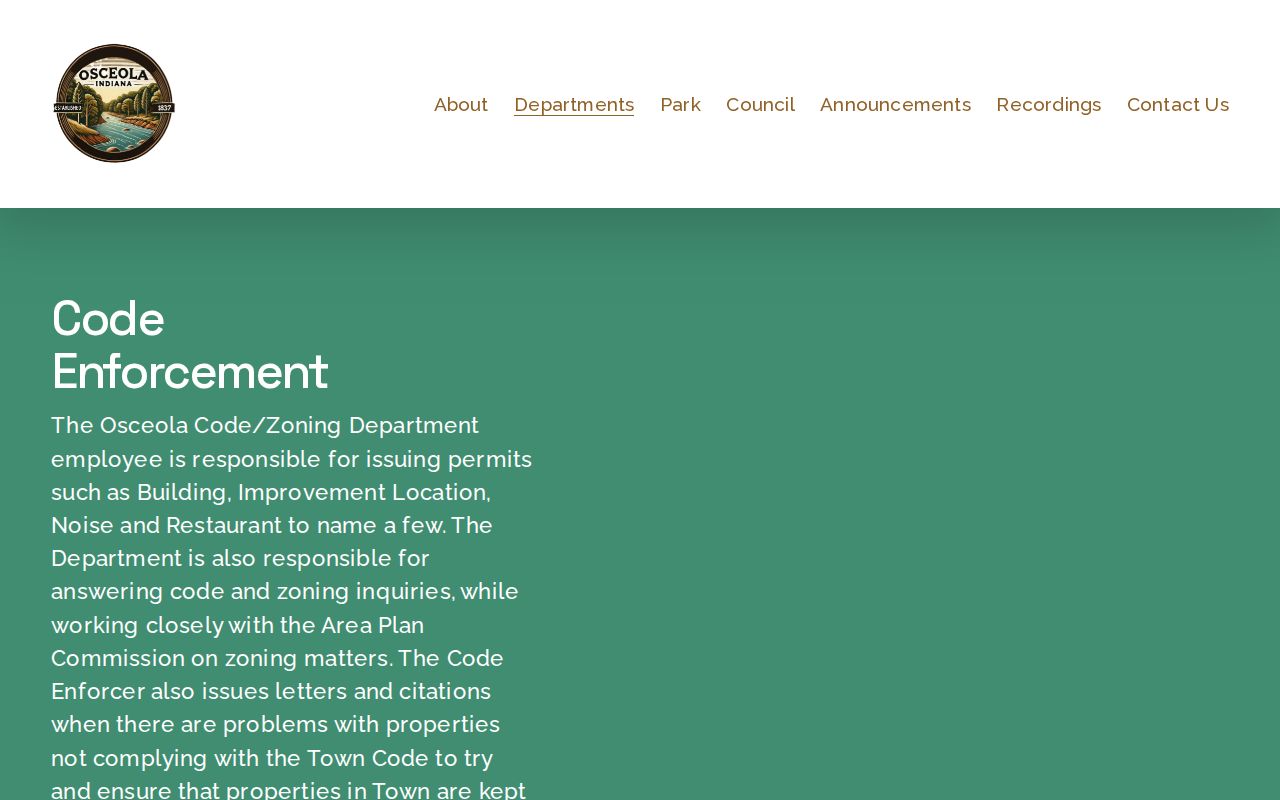
The town page is the right local starting point. A code matter can later become a county filing. The new court number then takes over from there. Osceola keeps split office hours Monday through Thursday and closes on Friday. Check the current town page before you drive over. When you call, name the address, permit, letter, or citation and give its date. A bare request for “the docket” will slow things down.
Inside the Osceola Municipal Record
Osceola has municipal records but no separate current municipal court. The distinction that matters is a town enforcement file versus a judicial case file. Ask town staff what public record they keep. Ask which ordinance was cited. They can explain the stated response channel and say whether anything was referred elsewhere. They cannot certify a county court judgment they do not hold.
| Record clue | Likely custodian | Search route |
|---|---|---|
| Permit or zoning letter | Osceola Code Enforcement | Town office and code service |
| Town ordinance citation | Town issuing office first | Citation instructions and town record request |
| 71C or 71D case number | St. Joseph Circuit or Superior Clerk | MyCase, then filing Clerk |
| 71J probate number | St. Joseph Probate Court | MyCase and Probate Clerk |
| 71I01 number | Walkerton Town Court | Separate Walkerton/MyCase route |
Calling something a “municipal record” here just describes town government material. The phrase creates no judicial body and hands the town no authority over a county case.
Finding Osceola Court Dates
An Osceola court date belongs to the court printed on the notice or shown in the MyCase summary. It never belongs to a generic city calendar. Open the case and read the newest CCS event. Then match it against the county daily docket and the filed notice. Careful, though: a file date is not a hearing date. An “appear by” date may just be a response deadline rather than a courtroom setting.
| Date | The scheduled day in the newest court event or notice. |
|---|---|
| Time | The listed start, which may be an individual time or group docket call. |
| Location | The exact South Bend, Mishawaka, Probate/JJC, or Walkerton site. |
| Court | The Circuit, Superior, Probate, or Walkerton identifier that owns the setting. |
| Setting type | Pretrial, motion, status, trial, sentencing, small claims, probate, or another event. |
| Status | Scheduled, continued, reset, vacated, cancelled, or held. |
No date listed? Contact the assigned division directly. A date vanishing from the online case does not mean dismissal; read the newest event and ask the filing court whether a public setting exists.
Osceola Permits, Letters, and Citations
These three town records look alike. But they do different jobs. A permit authorizes work under stated conditions. A compliance letter notes a reported or observed code issue and the action requested. A citation states an alleged ordinance violation along with its response terms. A deadline alone never makes any of them a criminal conviction.
- Town code
- The local legislative rules published by Osceola.
- Ordinance
- A town law adopted through local government procedures.
- Code citation
- A notice that alleges a local rule was violated and states a response path.
- State case
- A judicial matter opened under an Indiana uniform case number.
- CCS
- The court’s chronological list of public case events, not the town enforcement file.
Keep every notice you receive. If the town refers a matter to a court, search with the court number on that later paper. The town citation number still helps staff pull the earlier administrative file.
Osceola Traffic Ticket Lookups
A ticket written inside Osceola does not automatically belong to Osceola town government. Moving violations and county infractions usually route through St. Joseph Superior Traffic and Misdemeanor. That applies unless the ticket names Walkerton Town Court. County guidance warns that filing can take five to seven days. Hang onto the Uniform Traffic Ticket number. Use the court line printed on it. A town code citation stays with Osceola’s issuing office first. Where you were driving does not create an Osceola traffic court. County tickets can be searched by citation number in MyCase once filed. Their payment and contest rules differ from Walkerton’s. They differ too from any town code response. For the full picture, see the St. Joseph County traffic court records.
Town Code or County Case?
Town Code or County Case? Ask first who holds the paper. Osceola keeps its own enforcement material at the town level. County files live elsewhere. They sit with the St. Joseph County Clerk and the judge assigned to the case. A police report, a town inspection, a court docket, and a certified judgment may all grow from the same event. Yet each is a separate product. Each comes from a separate office.
| Question | Town code route | County case route |
|---|---|---|
| Who issued it? | Osceola town office | Circuit, Superior, or Probate court |
| What number appears? | Town permit or citation reference | Uniform number beginning 71 |
| Where is it searched? | Town office and ordinance source | MyCase and filing Clerk |
| Who certifies it? | Town custodian for its own record | St. Joseph County Clerk for court records |
Send any public record request to the office that created the file. A court-copy request mailed to Code Enforcement will sit in the wrong hands. Nothing turns that town office into the Clerk.
How Osceola Cases Reach the County
Filing starts the journey. A civil suit, criminal charge, small-claims case, probate matter, or qualifying traffic case filed from Osceola enters the St. Joseph court structure. Local rules assign civil matters among Circuit Court and designated Superior civil courts. Criminal, traffic, misdemeanor, and small-claims work splits by county division. Probate stays its own court.
Docket flow: Osceola town record › referral or filing › St. Joseph County Circuit, Superior, or Probate Court.
A town letter alone does not create a case. It only becomes one if the prosecutor files charges. When that happens, a 71-coded case number appears, and it points you to the assigned court. From there, the St. Joseph County court docket opens up the wider county search, courthouse map included.
Osceola Ordinance Records Online
For published town law, go straight to the Osceola ordinances and codes page on the town's official site.
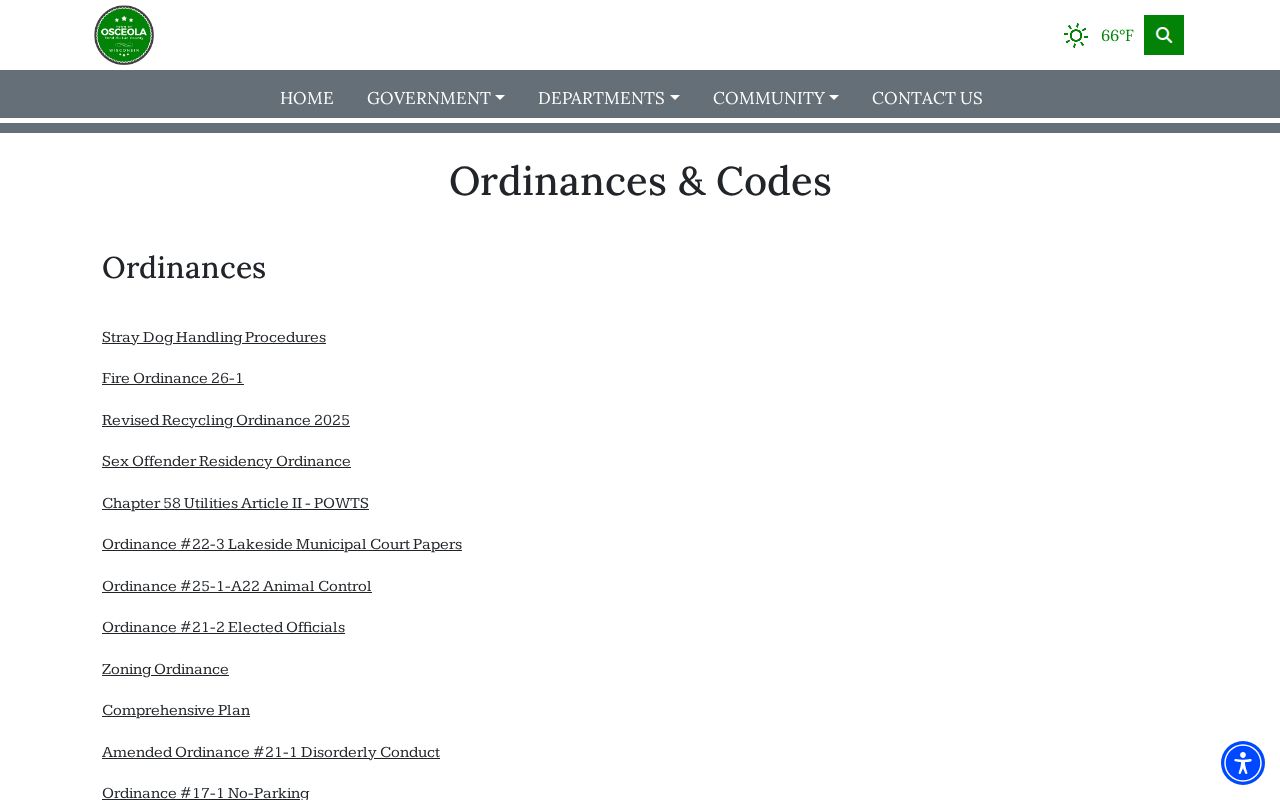
The ordinances page works well here. It gives you the text of a rule named in a town notice. It is not a docket search, though. It will not tell you how a case came out. One example of what the code covers is the town's disorderly-conduct ordinance. Older PDF links on the site can break. Confirm the current wording on the live code page. Even so, each of these tools has its own job to do. The code tells you what the rule says. The office that issued a notice tells you what that notice demands. Once a case is actually filed, an Osceola court docket is the place that shows what happened.
Who Can See Osceola Court Records
In Indiana, court records are presumed open to the public under Access to Court Records Rule 4. Rule 5 can carve some records out of that openness. Public access through MyCase costs nothing. Free does not mean complete, however. Some nonconfidential papers never make it online, and older filings may sit only in the clerk's file. For those, a visit to the filing clerk or a copy request is the way in. The Indiana Judiciary's court-record rules orders page lays out the access rules. Those rules govern these St. Joseph County court records.
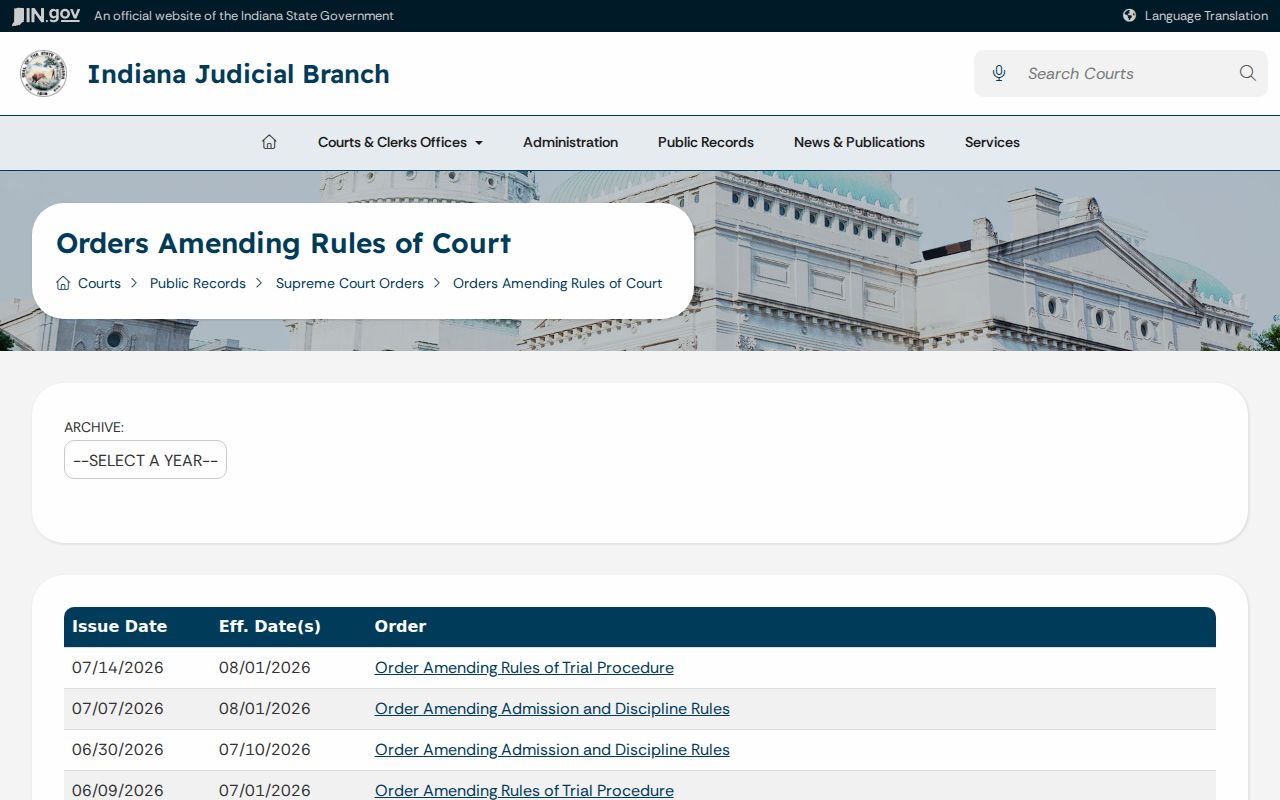
A case filed from Osceola falls under that statewide authority too. The town itself has no separate state court, yet the same rules reach its records.
Access boundary: Rule 5 protects defined cases, records, and personal data, including sealed, juvenile, mental-health, and treatment material.
Indiana APRA governs agency requests, but it does not override judicial access rules or require Osceola staff to release a county court file.
Osceola’s Place in County Records
Osceola counted 2,590 residents in the 2020 Census place table. That total puts it third among the five incorporated places profiled in St. Joseph County. Population rank, though, says nothing about courts. Walkerton has fewer residents. But it holds the county's current town-court identifier, while Osceola has none.
This contrast keeps a docket search from going astray. Use Osceola when checking location facts. Use the real court code when pulling a state case. If no code exists, stay with the town custodian until a filing or referral creates one.
Osceola Requests That Need Detail
A good Osceola records request names an actual record, not a general subject. For a town enforcement file, list the site address. Add the rough date and the document type. Include any permit or citation number. Say whether you want an inspection or a copy. A county case needs more. Give the uniform case number and the assigned court. Add the filing name and the exact order or CCS date. The county APRA form asks for reasonable particularity. It also lets you choose between a copy and a look at the record itself. It is an agency route. It does not bypass court confidentiality rules.
Getting the paper depends on who holds it. Osceola staff can explain the accepted methods for town code material. The St. Joseph County filing Clerk controls public copies of court files. Archives handles only historical material transferred to it. A phone call can sort out the custodian. But an oral answer is never a certified copy. Ask about current costs before you send money. The five-cent Archives rate covers only open, noncertified archive pages.
If your request involves a hearing, include the assigned court and the date along with the Osceola name. The town name alone cannot show which county division set the event.